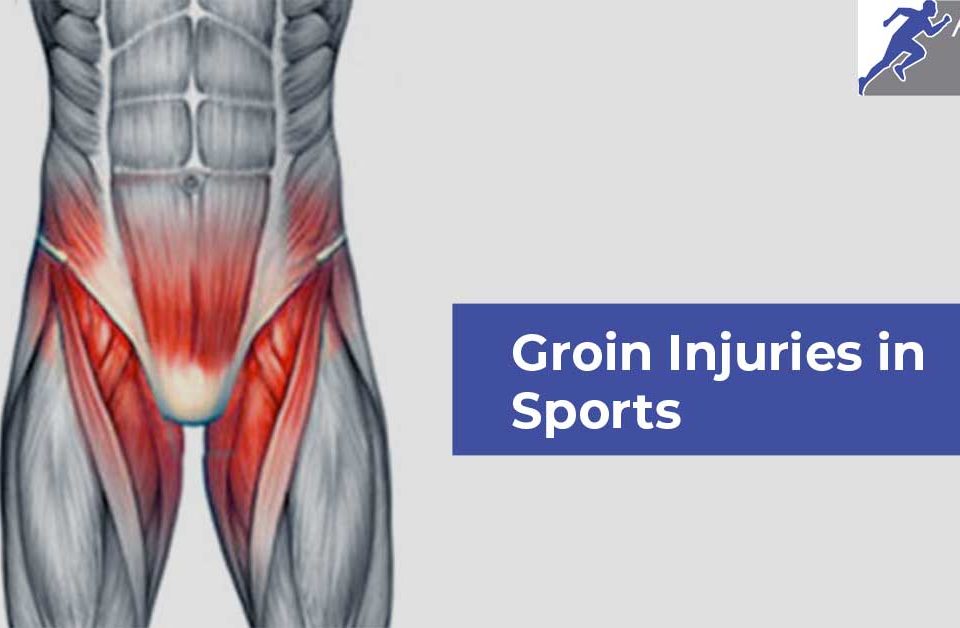

Groin Injuries in Sports
August 31, 2021
Guide to Marathon Nutrition
November 27, 2021
Though golf is generally considered a low risk activity, an in-depth look at golf reveals that overuse and poor technique can result in serious injury. At first glance, the golf swing may appear to be a relatively simple move. However, the swing requires a synchronized effort of muscle strength, timing, and coordination to generate high club-head speeds, often more than 100 mph.
Golf injuries originate either from overuse or from a traumatic origin and primarily affect the elbow, wrist, shoulder and the lumbar spine region. It is a unique sport when it comes to the shoulders. Each shoulder does a very specific and very opposite motion when swinging a club. The leading shoulder is forced and stretched into an extreme adducted (toward the body) position at the top of the backswing, while the non-leading shoulder is in an abducted (away from the body) externally rotated position. With regards to shoulder injuries, the lead shoulder, or the left shoulder in the right-handed golfer, is particularly vulnerable to injury. Common shoulder problems affecting golfers include rotator cuff tears, long head of the biceps tendon injuries, shoulder impingement, shoulder instability and osteoarthritis. No matter what the cause of your shoulder injury, do not “play through the pain.” Only an expert can tell you what’s wrong, and you could turn a minor injury into a serious one that could sideline you for the rest of the season.
Most patients sustaining a golf related shoulder injury will respond to nonsurgical treatment, such as activity modification, medications and rehabilitation program including: (a) muscular strengthening and flexibility; (b) kinematic chain co-ordination and (c) the adjustment of an individual’s golf swing to meet their physical capacities and limitations through properly supervised golf lessons.
At Arthro One, we highly encourage the utilisation of our “Five Week Interval Golf Program.” This is a structured progressive rehabilitation program aimed at accelerating the return to play golf for our patients who suffered a shoulder injury or after undergoing a shoulder related surgery. This program is comprised of a set of several swings using different clubs performed three days a week, for four weeks. By the fifth week, our patients can enjoy a game of nine holes.
So the next time you go for a tee, make sure you swing it right!
Golf injuries originate either from overuse or from a traumatic origin and primarily affect the elbow, wrist, shoulder and the lumbar spine region. It is a unique sport when it comes to the shoulders. Each shoulder does a very specific and very opposite motion when swinging a club. The leading shoulder is forced and stretched into an extreme adducted (toward the body) position at the top of the backswing, while the non-leading shoulder is in an abducted (away from the body) externally rotated position. With regards to shoulder injuries, the lead shoulder, or the left shoulder in the right-handed golfer, is particularly vulnerable to injury. Common shoulder problems affecting golfers include rotator cuff tears, long head of the biceps tendon injuries, shoulder impingement, shoulder instability and osteoarthritis. No matter what the cause of your shoulder injury, do not “play through the pain.” Only an expert can tell you what’s wrong, and you could turn a minor injury into a serious one that could sideline you for the rest of the season.
Most patients sustaining a golf related shoulder injury will respond to nonsurgical treatment, such as activity modification, medications and rehabilitation program including: (a) muscular strengthening and flexibility; (b) kinematic chain co-ordination and (c) the adjustment of an individual’s golf swing to meet their physical capacities and limitations through properly supervised golf lessons.
At Arthro One, we highly encourage the utilisation of our “Five Week Interval Golf Program.” This is a structured progressive rehabilitation program aimed at accelerating the return to play golf for our patients who suffered a shoulder injury or after undergoing a shoulder related surgery. This program is comprised of a set of several swings using different clubs performed three days a week, for four weeks. By the fifth week, our patients can enjoy a game of nine holes.
A few tips to help you swing away from shoulder injuries:
- Use proper equipment. Be sure your clubs are in good shape and the right length and weight for you.
- Use proper technique. If your shoulder or shoulders are sore after a golf game, your swing likely needs refinement.
- Exercise to improve the strength, endurance and flexibility of your rotator cuff, shoulder blade muscles, trapezius, large back muscles and large chest (pectoral) muscles. Weight resistance training can really help with this.
- Learn to use your hips, legs and trunk to transfer weight and power consistently Make sure your shoulder motion comes after the hip and trunk motion in the downswing.
- Keep your hands in front of your body during the swing.
- Before a golf game, warm up your muscles by stretching your arms, shoulders and back and doing some brief cardiovascular exercises, such as a little bit of jogging.
So the next time you go for a tee, make sure you swing it right!